
Journal
Joshua’s jots from journeys Along the Grain

FuseWell Autumn Equinox 2024: A Day of Organic Creativity and Connection
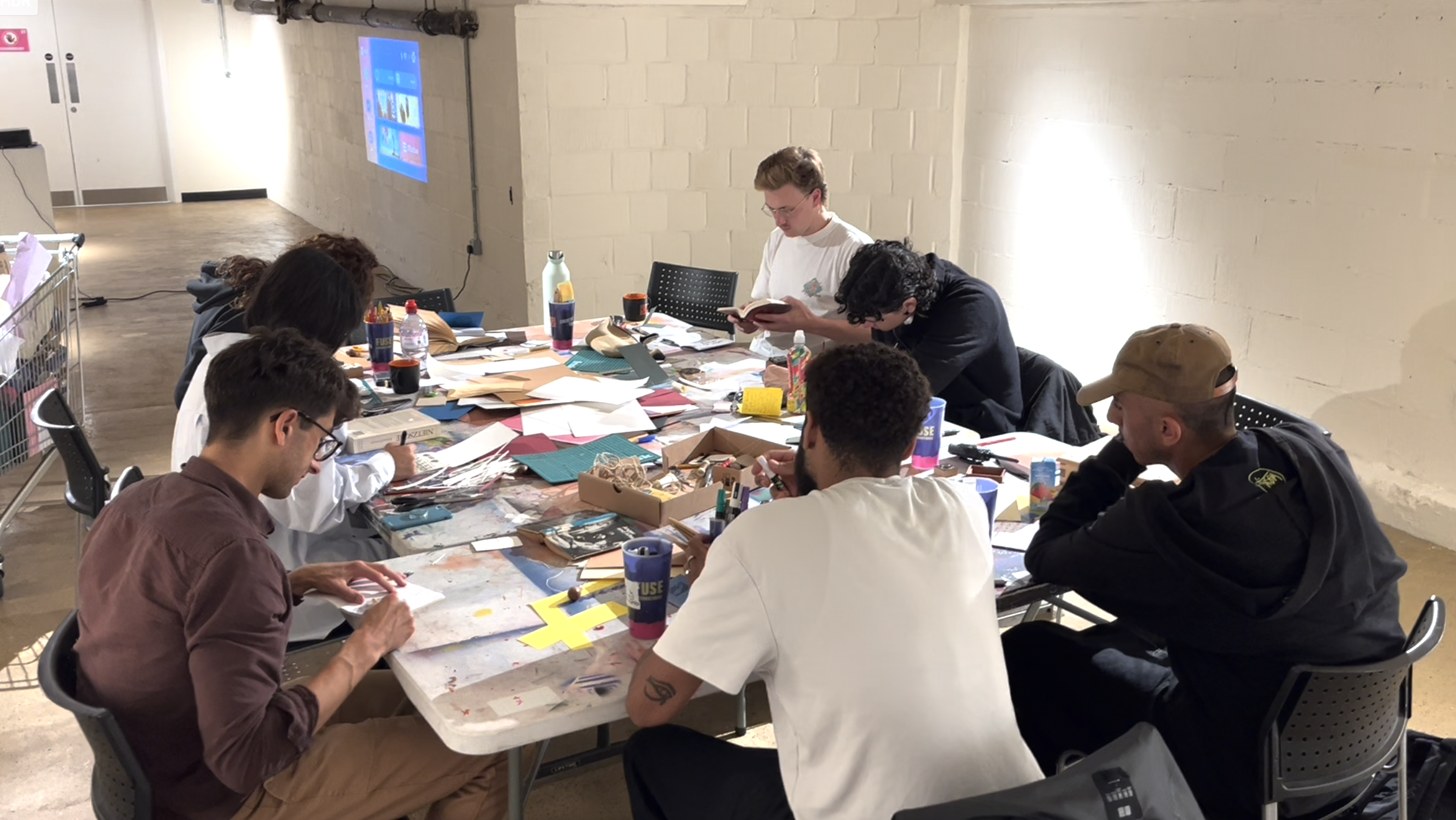
The day of Fusewell started with grand illusions in my mind—a massive festival of boundless creativity, people flowing in and out, collaborating, and creating in perfect harmony. But as the day unfolded, I slowly let go of that fantasy, embracing a different kind of magic, one that was smaller, more intimate, and somehow even more profound.
The first person to wander into the Well was Louis, a jazz guitarist I met while he was busking. I had dropped a flyer in his guitar case, hoping he'd come. He did—and he brought with him the warm energy of a kind, creative soul. We kicked things off with an improvised back-and-forth: me reading spoken poetry, Louis riffing off the rhythm of my words with his guitar. The flow was effortless. He’d play, and I’d find poems that fit. This set the tone for what was to come—collaboration rooted in feeling, not form.
Soon after, James and his friends arrived, followed by Dagyum, an incredible woman whose poetry, illustrations, and zine-making skills are pure magic. We formed a circle, reading poems aloud while Louis let his guitar respond. We didn’t just read; we explored what the poems meant, discussed them, lived them. Rosie, for the first time, got up to read her own poetry, and I could see her soul light up. It was a beautiful, raw moment of someone stepping into their creative power.
Ciggie breaks became a rhythm of their own throughout the day. They were little pockets of reflection and connection, moments to pause and take it all in.
Then came the zine-making table, which quickly became the heart of the event. I had imagined people moving freely between activities, but not everyone was ready to dive into playful chaos immediately. The workshop offered a central focus, a grounding energy that funneled their creativity into something tangible. Slowly but surely, people began cutting paper, choosing covers, and assembling their own zines. Some made multiple, others just one, but everyone found their flow.
Adapting to the energy in the room became second nature. Rahim, Manny, and Harj came later, and even though they missed the earlier writing exercise, I made sure they still got to engage—reading and writing in a way that eased any nerves. It became clear that even moments of silence, which might have been intimidating, were softened by the supportive presence of everyone there.
When Jez arrived, it was just after Erin had settled in, ready for her workshop on drawing with music. We started doodling based on the music’s vibe, letting the sounds guide our hands. It felt effortless, natural—so relaxing that Erin joked she didn’t do much, but that was the beauty of it. It required no force, only flow.
Then Jez took over, playing his music and sharing insights into his creative process. I found myself tempted to usher more people into the room, but I let it go. Those who wanted to listen came naturally, gathering without pressure. (Note for next time: a mic might be helpful for musicians to speak through—it was hard to hear at times.)
Around 4:30, I shifted into Jester mode. Open mic time. I kicked it off with my own poems, followed by Erin, Tania, and others who were slowly gathering the courage to step up. The vibe was loose, organic. A break here and there, then Aaya arrived, bringing her fiery energy and banana bread. Max the Comedian joined us, too, along with three strangers who came in quietly but left their mark.
By 4:58, I called out, “Two minutes ‘til we start!” The open mic began to flow again. Max nailed his set, one stranger sang beautiful vibrations, another shared a story, and I filled the blanks when needed, helping people warm up to the idea of being on stage.
The event came to a perfect close with a spontaneous jam as others talked amongst themselves—Isaac, who didn’t want to get on stage, played his guitar while others sang along. I let it all wind down naturally, no forced ending, just a slow fade. Then, BOOM. I banged the djembe drum that had been keeping the rhythm all day.
“That’s the end of Fusewell 2024. Thank you all.”
As the day trickled to an end, we packed up, I dropped everything home, and slowly made my way to Woody’s for some pool, food, and the satisfaction of knowing the day had been something special. It wasn’t the festival of my illusions, but something even better—a day filled with the beauty of connection, creativity, and the simple joy of making, together.
Then came sleep, waking up to dragon sickness, and healing in reflection.
Peace
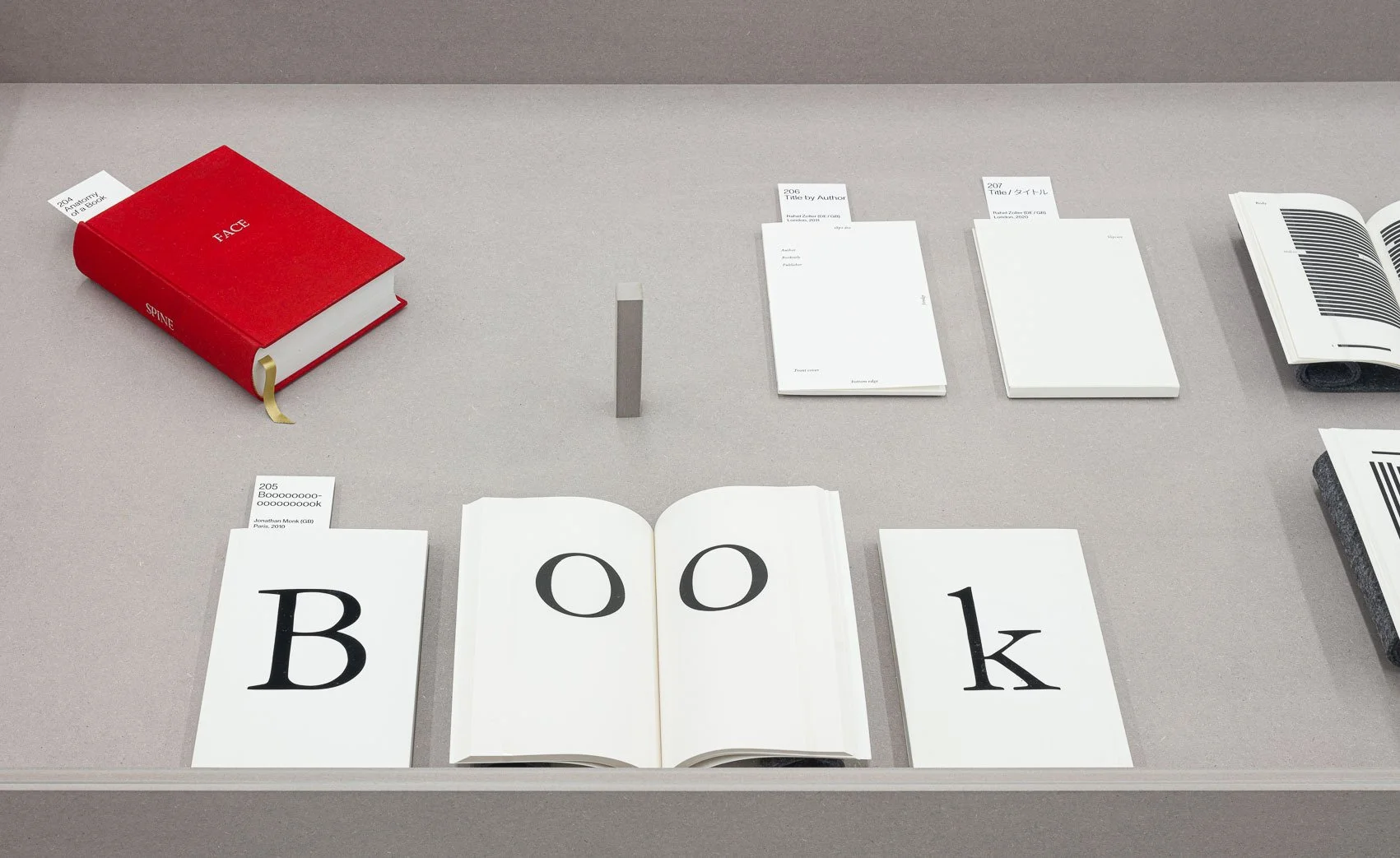
A Rahel Zoller Talk
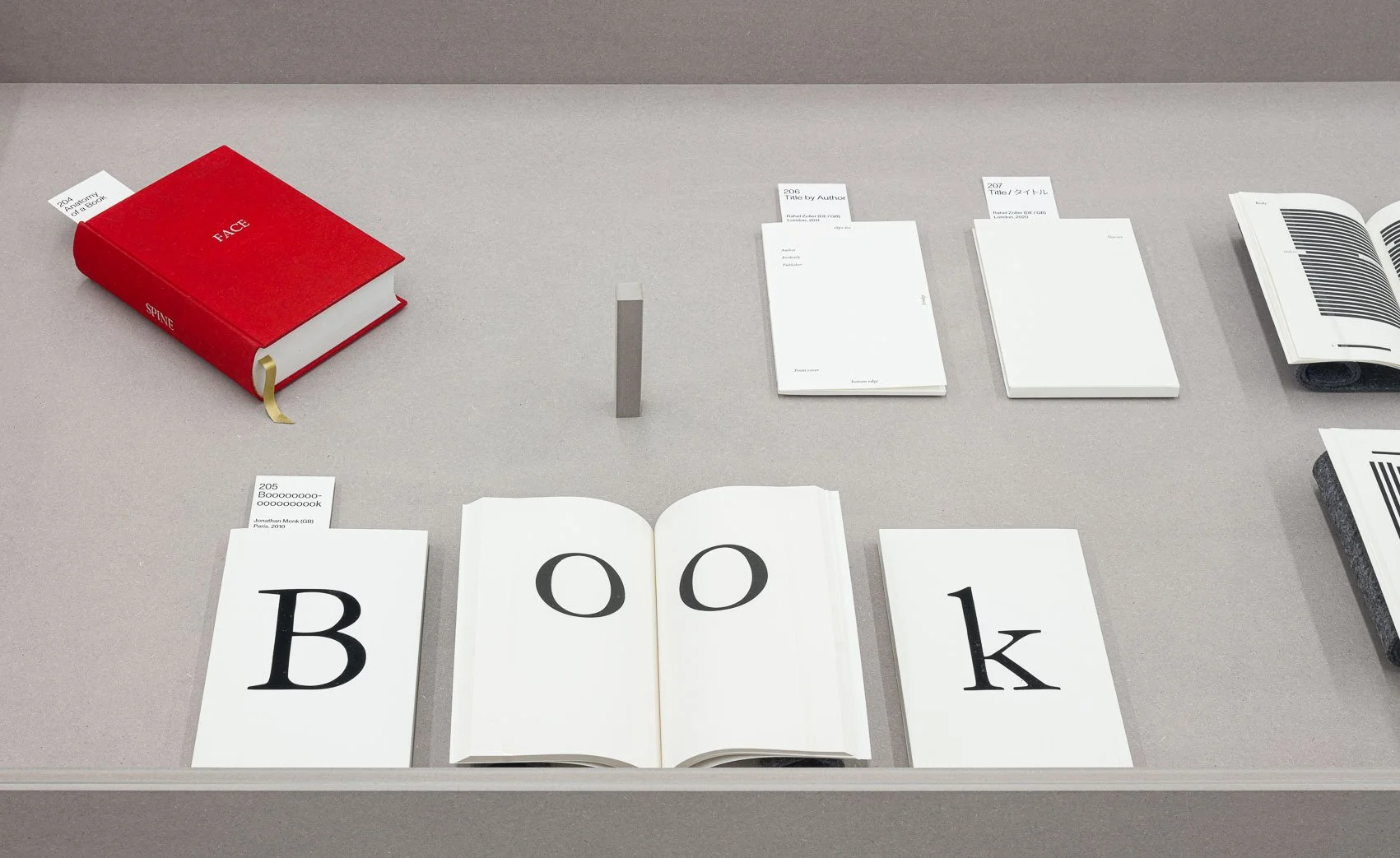
Book artist, designer, publisher, writer.
Self-publishing and artist books
The form of the book in relation to the content
Materiality
Contemporary experimental publishing
The book as experience
“The Never Ending Story”
Visualizing the story.
How can you prompt the reader with subtle design choices?
The theory of semiotics
“The inner monologue of a book”
Personify the book
It has its own spirit.
Reflects on its own being.
Document the change of print on demand through time.

Head, tail, and spine. The origin of this comes from leather books. Grain direction from the head to the tail of the animal skin leather came from. Parallel to the spine.
Break down language through the culture differences of the book layout.

She did an artist residency in Japan.
Western version of the book; Head, Tail, Spine.
Japanese version of the book; Sky, Ground, Spine.
Wow, just wow. Beautiful. What does that say about the scope of physical and poetic possibilities of the book for each culture?
The metaphor to re-think the book.
Play on breaking industry and societal norms.
Copyright for written material ends 70 years after author’s death.
1800s books? What can you play with?
Self-publishing books, sell then make more.
Mark Fischer - Towards a Self-sustaining publishing model
Catalogue of mistakes
Mistakes will always be a part of the process
Materiality
How can a book speak by itself through material?
Artists book collective - everyone pays a yearly fee of around £180, this goes towards going to book fairs.
You make all these books, but where do you show it?
Recycled material bookstands
Book furniture
Be careful because it may look so precious people don’t want to touch it.
Books that transform your thinking.
Think Well.
How can you illuminate hidden histories through the story on top of the story?
Refusing to be forgotten.
“I don’t want this to be forgotten”
Immortalise it through print.
Don’t be scared of print on demand. Everything doesn’t have to be handmade. Choose with care what you make in special editions. Longer projects (writing-wise) can be PoD. Don’t be afraid to tape and staple. It doesn’t have to be “bound”.
-
Small content
The most beautiful thing to you.
Produce 100 copies.
Thread bind.
Make an edition.
Moment of fulfilment - when Title, Materiality, and Form all come together in Mind
Lean into the conceptual
What’s the narrative and how do these elements translate to tell the story; materiality or form or both?
White covers struggle to sell in bookshops because they get dirty easily.
Can you lean into this element?
Tree-free paper?
Can the paper make a connection to the intent, a subtle link; thread, colour, print colour?
-
One of the most enlightening points from the talk was her insightful comparison of cultural perspectives on book element names. In the Western tradition, we refer to these as Head, Tail, and Spine, whereas in Japan, they’re known as Sky, Ground, and Spine. This stark contrast beautifully illustrates the divergence in mindset between my own culture and the one that continually inspires me. It transcends the merely human, hinting at a broader, more cosmic frame of mind.